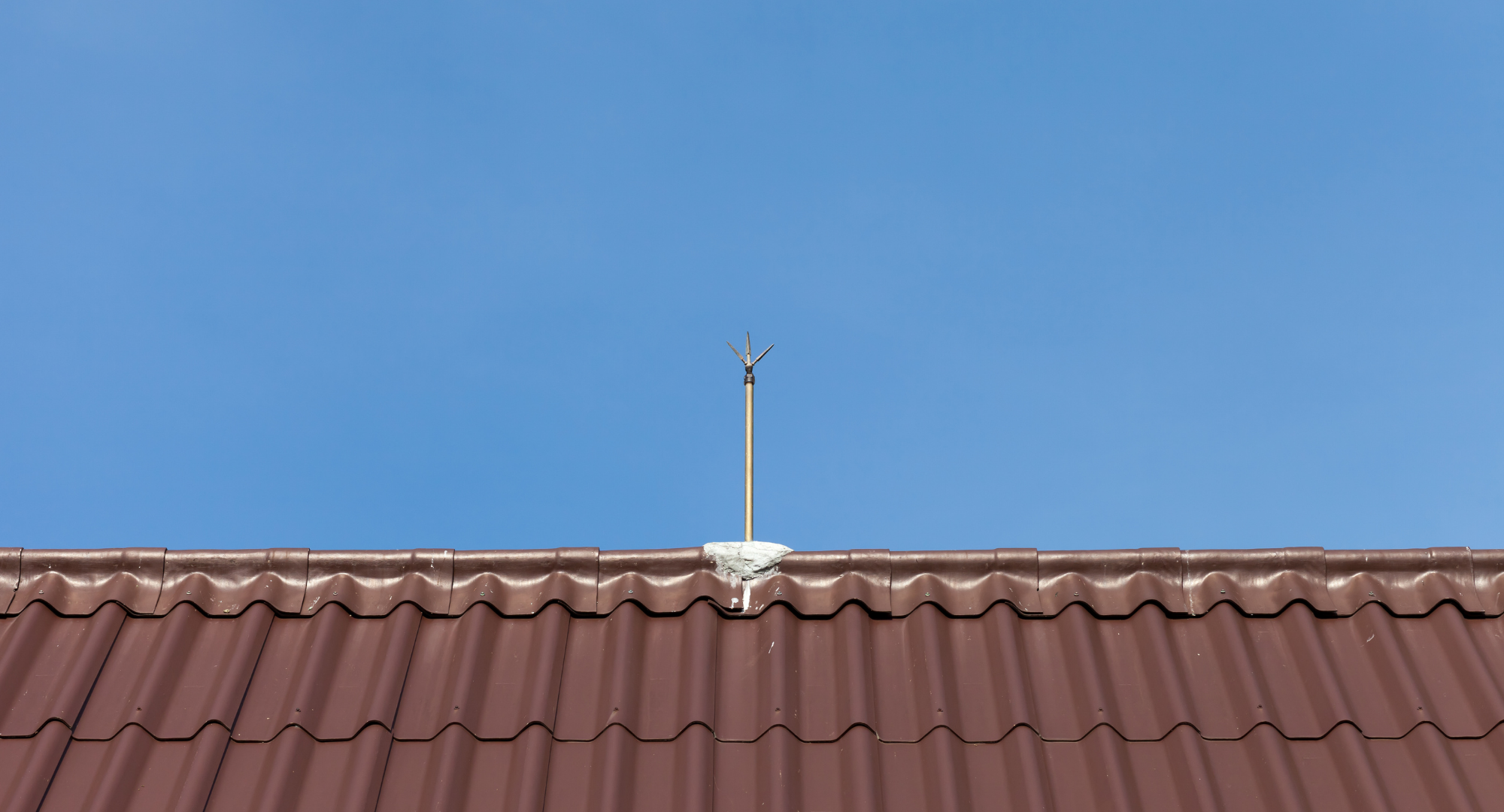
Yes, lightning can strike your roof and cause a leak while leaving only a small, easy-to-miss hole. The entry point is often no larger than a pencil, but the damage to your shingles, decking, and surrounding area can be more widespread than it looks from the outside.
A homeowner in Sidney, IL recently called us after a storm rattled their house. Their roof had not leaked once through an unusually wet season, but after a suspected lightning strike, water started coming in. The only visible sign on the roof was a tiny hole near a rafter. That kind of situation is more common than most people realize, and it deserves a serious inspection rather than a quick patch.
At White Roofing and Contracting, we help homeowners work through exactly this kind of problem. Here is what you need to know.
Why Does Lightning Leave Such a Small Hole?
Lightning follows the path of least resistance, and on a roof that often means a single focused entry point, sometimes hitting right along a rafter or nail line. The strike transfers an enormous amount of energy in a fraction of a second, which is why the hole can look minor while the damage beneath is not.
What makes lightning damage tricky is what happens around the entry point. The shingles nearby can be compromised, the underlayment can be cracked or burned, and the wood decking can be scorched or split along a path you cannot see from above. One homeowner we spoke with noticed a second wet spot several feet away from the main hole, which is consistent with how lightning energy can scatter through a roof deck.
What Are the Signs That Lightning May Have Hit Your Roof?
Beyond a visible hole, there are several things that suggest lightning was the cause of a new roof leak. Here is what to watch for:
- A sudden leak that appears right after a storm, with no history of leaking before
- A small, clean-edged hole in the shingles, sometimes with a white or chalky residue underneath
- Multiple wet spots on the interior ceiling that do not line up with a single obvious source
- A strong sulfur or burning smell in the attic after the storm
- Shingles that appear blistered, cracked, or shifted near the entry point
If the house physically shook during the storm and a leak showed up shortly after, that combination is a strong indicator that a strike was involved.
Should You Tarp the Roof Before a Roofer Arrives in Sidney, IL?
Yes, tarping the affected area is a smart and reasonable step to take before a professional can inspect the damage. You do not need to leave your home exposed to more rain while you wait for an inspection.
If you do cover the area, try to limit the tarp to the section around the suspected entry point rather than covering the entire slope. That makes it easier for us to find and assess the full extent of the damage when we arrive. Avoid disturbing the hole itself or pushing anything into it, since that area is evidence of what happened and needs to be seen as-is.
Do not rely on a silicone patch as a long-term fix. It can slow the water temporarily, but it will not seal the underlying structure or reveal whether the damage has spread.
Does Homeowners Insurance Cover Lightning Damage to a Roof?
Lightning strikes are generally considered a covered peril under most standard homeowners insurance policies, but coverage for the full repair or replacement depends on your specific plan. Insurance companies have tightened their approach to roof claims in recent years, particularly on older roofs.
If you are working with your insurance company, an inspection report documenting the cause and scope of damage can be critical. Our team can walk through what we find and help you understand the condition of your roof. Learn more about our team and how we work on our about page.
Frequently Asked Questions
Can a lightning-damaged roof be repaired, or does it need to be fully replaced?
It depends on the age of the roof and how far the damage extends. A newer roof with isolated damage may be a good candidate for targeted roof repairs. An older roof, especially one already approaching the end of its lifespan, may make more sense to replace, particularly if insurance is involved and the damage is widespread.
How soon after a lightning strike should I get my roof inspected?
As soon as possible. Water can move quickly once it finds an entry point, and what starts as a small wet spot can lead to mold, damaged insulation, or structural issues if left alone. Cover the area temporarily and schedule an inspection right away.
What if the roof is older and already needed replacement soon?
A lightning event can sometimes accelerate a replacement conversation you were already planning to have. If your roof is approaching the end of its useful life, an inspection after storm damage is a good opportunity to evaluate the full picture and plan your next steps around a roof replacement.
Get a Professional Roof Inspection After Storm Damage
If you are in Sidney, IL or the surrounding area and you suspect lightning has damaged your roof, do not wait and hope the problem resolves itself. A small hole can hide bigger issues underneath. We are here to take a look, give you an honest assessment, and help you figure out the right path forward.
Contact us today to schedule your inspection. We will help you understand what happened and what your options are before the next storm rolls through.